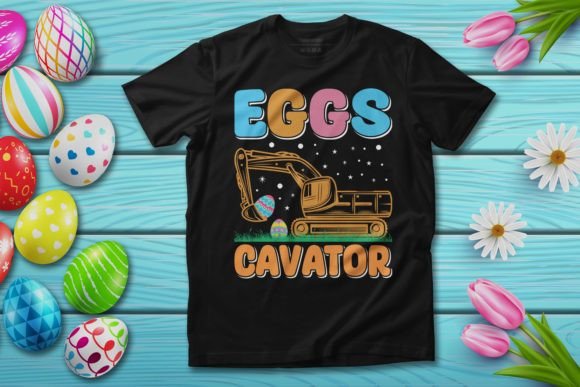
Hand over the Eggs and Easter T-Shirt
A Designer’s First Look: Playful, Punchy, and Purpose-Built
When I opened Hand over the Eggs and Easter T-Shirt, my first thought wasn’t “cute Easter graphic”—it was “this has real stitching legs.” The quote—Hand Over The Eggs And Nobody Gets Hunt—lands with dry wit and immediate recognition. It’s not saccharine or overly literal; it leans into Easter humor with confident typography and balanced negative space. As a designer who’s stitched hundreds of holiday pieces for boutiques and Etsy sellers, I appreciate how the layout avoids visual clutter: no tiny decorative eggs crowding the text, no overlapping elements that would collapse under satin stitch, and no fragile serifs that vanish at 2.5” hoop size. This isn’t just a graphic—it’s a machine embroidery design built to translate cleanly from screen to fabric.
Where It Shines: Real Projects, Real Fabric
I tested Hand over the Eggs and Easter T-Shirt on a midweight cotton tote bag for a local craft fair vendor—and it held up beautifully. The lettering stayed crisp, the spacing allowed stabilizer to breathe, and the overall footprint (roughly 4.2” wide) fit comfortably in a standard 5” hoop without re-hooping. It also worked surprisingly well as a sweatshirt embroidery: the bold weight handled fleece texture without sinking or shadowing, and the clean vector edges meant no jagged fill-stitch transitions. For baby embroidery? I’d recommend it only on onesies sized 6–12 months—not smaller—because the lowercase “g” and “y” have subtle curves that need breathing room to read clearly after stitching.
It’s equally strong as an embroidered patch: the outline is tight enough for clean edge finishing, and the phrase’s rhythm gives natural pause points for thread color changes. As a tote bag design or apron front, it reads instantly from across a farmers’ market stall. And yes—it even landed well on a linen tea towel, where softer fabrics often blur detail. That tells me the original vector construction prioritizes stitch integrity over pure screen appeal.
Where to Pause—and Why
This isn’t a one-size-fits-all embroidery file. On highly textured fabrics like bouclé or thick terry cloth, the tighter letter spacing can cause slight thread bridging—so I’d add a light tear-away stabilizer *under* the fabric, not just on top. On stretchy knits (think lightweight jersey tees), skip direct hooping: use cutaway + spray adhesive, and reduce stitch density slightly if your machine allows. Dark fabric? No problem—the high-contrast layout means even a single layer of 40-weight thread reads cleanly—but test thread colors first: avoid pastel pinks or yellows on navy; go for charcoal gray or eggshell white instead.
Curved surfaces—like structured caps—require caution. The straight-line baseline works fine on front panels, but avoid placing it near the bill curve unless you’re willing to split the design or use a flexible hoop. Also, don’t push this into tiny applications: it’s not ideal for a 1.5” pocket patch or baby cap front. The charm lives in its scale and swagger—not miniaturization.
What It Adds to Your Finished Product
Hand over the Eggs and Easter T-Shirt elevates handmade product perception instantly. Customers recognize wit—and they trust it more than generic bunnies or baskets. When used on personalized gifts (like a custom embroidered pillow cover for an Easter brunch host), it sparks conversation and feels intentional, not mass-produced. For Etsy sellers, it strengthens brand consistency: pair it with matching digital mockups using the included PNG, and your listings look cohesive and professional—not pieced together. As a small shop product, it balances seasonal relevance with personality, helping your holiday embroidery stand out in saturated markets.
Practical Notes Every Embroiderer Should Check
- Test first: Stitch a sample on scrap fabric matching your final project’s weight and stretch—even if it’s “just cotton.”
- Review stitch density: High-density areas (like the crossbar of the “H” or the bowl of the “e”) may need slight underlay adjustment on soft fabrics.
- Confirm hoop size: While the design fits standard hoops, double-check your machine’s max width before committing to production runs.
- Inspect small details: Zoom in on the vector files—especially the AI and EPS—to verify anchor points are clean and paths aren’t overlapping or reversed.
- Mock it both ways: Preview the PNG on light and dark backgrounds. Does the phrase pop? Does kerning feel balanced?
- Stabilizer matters: Use medium-weight cutaway for knits, tear-away for stable wovens, and fusible + tear-away for linen or tea towels.
- Licensing check: Since this is marketed for commercial embroidery and digital resale, confirm usage rights directly with the seller before listing finished items or reselling the files.
Final Thought: A Design That Works—Not Just Decorates
As a designer who evaluates hundreds of T-Shirt Designs and Graphics each year, I measure value not by how many file formats are included—but by how few adjustments a design needs before it stitches reliably, sells confidently, and makes customers smile. Hand over the Eggs and Easter T-Shirt delivers that. It’s not trying to be everything—no floral borders, no optional bunny ears, no layered applique design distractions. It’s focused, functional, and full of character. Whether you’re prepping holiday embroidery for a craft fair, building a boutique’s Easter collection, or creating personalized gifts for repeat clients, this is the kind of embroidery file that earns repeat use—not one-time novelty. It’s ready when you are.