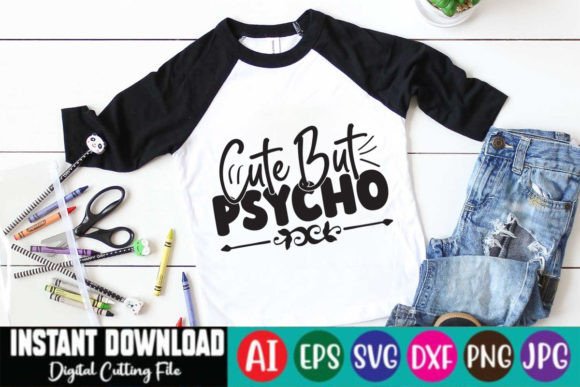
Cute but Psycho
First Impressions: Playful Edge, Not Just Cutesy
Opening Cute but Psycho for the first time, I didn’t smile—I paused. It’s got that rare visual tension: soft curves and rounded lettering paired with a subtly mischievous expression or stylized motif (think tilted eyes, a wink, or a tiny fang peeking through). It doesn’t scream “cute.” It *leans in* and whispers it—then winks. That’s valuable. In embroidery, especially for custom apparel and boutique merchandise, personality matters more than perfection. This design lands somewhere between nostalgic charm and modern irony—ideal for handmade totes, unisex sweatshirts, or baby onesies where parents want wit, not cliché.
A Real-World Test: Embroidering a Linen Tote for a Local Bookstore Pop-Up
Last week, I prepped Cute but Psycho for a limited-run embroidered tote bag—linen blend, medium weight, natural off-white. The goal? A playful yet polished accessory for a bookstore’s summer launch. I chose a 3.5” wide hoop size and used tear-away stabilizer underneath plus light cutaway on the back. Right away, the layout worked: compact enough for side-panel placement, bold enough to read at arm’s length, but detailed enough to reward closer looking. The letterforms held up beautifully in satin stitch—no thin serifs collapsing, no awkward gaps between letters. Even the smallest graphic element (a tiny heart with a lightning bolt, in my version) stayed legible without over-stuffing the fill stitch density.
Where It Shines—and Where It Needs Thought
- Custom apparel: Works cleanly on crewneck sweatshirts and relaxed-fit tees—especially when placed center-chest or upper-back. The balanced weight prevents sagging or distortion on knit fabrics.
- Tote bag design & pillow covers: Its moderate width and vertical rhythm translate well to flat, stable surfaces. No warping or stretching issues on medium-weave cotton or linen.
- Baby embroidery & nursery decor: Surprisingly versatile here—if you’re targeting millennial or Gen Z parents who appreciate dry humor over pastel unicorns. Just avoid placing it near seams or curved hems on onesies where puckering could soften the edges.
- Holiday embroidery & personalized gifts: Great for Halloween-themed tea towels or “naughty but nice” stocking stuffers—but skip dense metallic thread unless you’ve tested it first. The design’s charm lives in clarity, not flash.
Red Flags You Can’t Ignore
This isn’t a one-size-fits-all embroidery file. Cute but Psycho demands intention—not caution, but awareness.
- Small hoop sizes (<3”): Trimmed versions exist, but the original balance suffers. Letter spacing tightens, and the expressive detail gets lost. Don’t force it into a cap front or baby hat without confirming the scaled-down version holds its voice.
- Textured or stretchy fabric: On terry cloth towels or lightweight jersey tees, stabilizer choice is non-negotiable. Skip basic tear-away if stitching over ribs or loops—you’ll get shadowing or skipped stitches. Opt for adhesive + medium-weight cutaway instead.
- Dark fabric backgrounds: The design relies on contrast. If your thread colors are muted (heather grey, charcoal), test a black-and-white mockup first. What reads as cheeky on cream can look muddy on navy unless you boost stitch density slightly or choose brighter thread tones.
- Curved surfaces & layered garments: Avoid using it full-size on baseball caps or puffer jacket sleeves. The shape isn’t inherently “wrap-friendly,” and distortion around the crown or sleeve seam will blunt its charm.
What It Does for Your Craft Business—Beyond the Stitch
As an Etsy seller and small shop owner myself, I judge designs not just by how they stitch—but by how they land with customers. Cute but Psycho builds trust quickly: it signals confidence, curation, and audience awareness. Buyers scrolling for “fun embroidery designs” don’t pause for generic florals—they stop for something with attitude. That translates directly to higher perceived value on finished products: a $38 embroidered apron feels intentional, not craft-store-generic. It also photographs well across digital platforms—clean lines hold up in printable mockups, and the theme invites storytelling in product descriptions (“For the barista who smiles while plotting world domination”).
That said—don’t assume licensing covers resale of physical items or digital embroidery files. The listing says it’s usable for “monogram making, logo design, T-shirt Design… and more,” but verify commercial rights before bundling Cute but Psycho into a paid SVG pack or embroidering 200 wholesale patches. When in doubt, reach out to the creator. Clarity protects your craft business far more than convenience ever will.
Designer Notes You’ll Actually Use
- Test on scrap fabric *first*—especially if using textured weaves or blending threads (e.g., matte cotton + subtle variegated rayon).
- Check thread color contrast on both light and dark fabric swatches before final hooping.
- Review stitch density in the eyes or small graphic elements—if fill areas look sparse or overly dense, adjust under your machine’s editing software.
- Confirm hoop size compatibility. Some versions may be optimized for 4×4 hoops; others scale cleanly to 5×7. Don’t guess—measure the bounding box in your digitizing preview.
- Inspect corners and inner curves. If your machine struggles with sharp turns, consider adding a tiny running stitch tack-down before satin sections begin.
- Use proper stabilizer—no shortcuts. Linen? Cutaway. Stretchy knit? Adhesive + tear-away combo. Terry cloth? Tear-away + topping.
- Test black-and-white mockups. If it loses impact in grayscale, simplify or rework thread choices.
- Ask: does this support your brand voice? If your shop leans minimalist or botanical, Cute but Psycho might clash—not because it’s bad, but because it’s *specific*. That’s a strength, not a flaw.
Final Thought: Charm With Integrity
Cute but Psycho isn’t background noise. It’s a statement piece that earns its place on a handmade product—not by shouting, but by holding eye contact. Used thoughtfully, it elevates a simple tote into a conversation starter, a baby onesie into a generational wink, or a holiday gift into something genuinely remembered. For embroidery designers, Etsy sellers, and creative entrepreneurs building real businesses—not just collections—this is the kind of design that pays dividends in repeat buyers, social shares, and quiet confidence every time you press “start.” Just remember: great embroidery begins long before the needle moves. It starts with seeing what the design truly is—and giving it the context it deserves.