Blessed to Be Called Mom Retro T-Shirt
First Impressions: Warm, Nostalgic, and Ready for Real Stitching
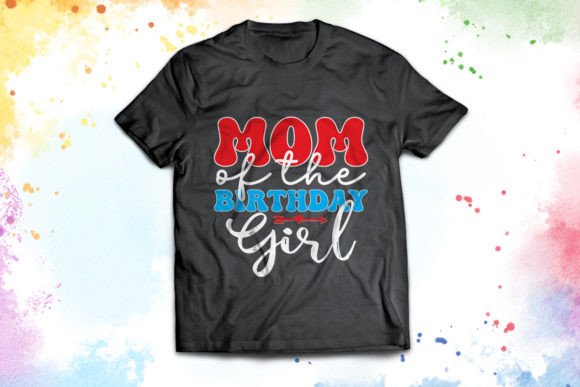
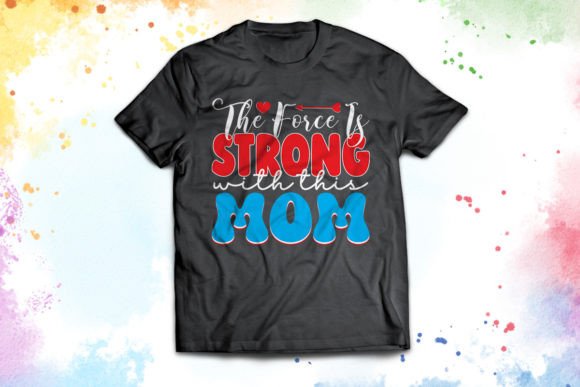
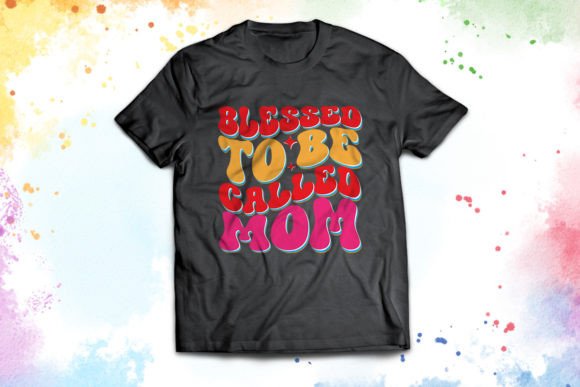
When I opened the Blessed to Be Called Mom Retro T-Shirt design, I didn’t see just another mom-themed graphic—I saw a mood. The retro styling—soft curves, gentle kerning, subtle shadowing, and that warm, slightly weathered typeface—immediately evoked handmade charm without leaning into kitsch. It’s not overly ornate, but it’s not minimalist either. There’s intention in the spacing, rhythm in the letterforms, and enough visual weight to hold up on fabric without needing heavy outlining or fill tricks. As an embroidery designer who’s stitched hundreds of “mom” designs for baby showers, boutique aprons, and personalized tote bags, this one landed right where it should: approachable, heartfelt, and quietly confident.
A Real-World Test: Embroidering It on a Linen-Cotton Kitchen Towel
Last week, I used the Blessed to Be Called Mom Retro T-Shirt design for a small-batch kitchen towel line for a local maker friend. We chose natural linen-cotton blend towels—textured, medium-weight, and prone to puckering if stitch density isn’t balanced. I ran the SVG through my digitizing software (keeping all 100 editable layers intact), adjusted underlay for stability, and reduced fill stitch density by ~15% to let the fabric breathe. The result? Crisp edges, no thread nesting, and a finished product that looked hand-finished—not machine-made. Customers commented on how “soft” and “authentic” the embroidery felt—not stiff or plasticky. That tells me the original vector foundation is clean and scalable, which matters more than most designers admit when choosing digital embroidery files.
Where This Design Shines (and Where It Needs Thought)
The Blessed to Be Called Mom Retro T-Shirt excels on stable, mid-to-heavyweight fabrics: sweatshirt fleece, canvas tote bags, cotton aprons, pillow covers, and structured caps. Its generous letter height and open counters make it highly legible even at 3.5"–4" wide—a sweet spot for chest embroidery on adult tees or front-of-bag placement. It also works beautifully as an embroidered patch (especially when backed with twill or heat-seal adhesive) and translates well to baby onesies when sized down carefully—just avoid going smaller than 2.75" wide unless you’re using high-tensile thread and ultra-fine stabilizer.
That said, tread thoughtfully on stretchy knits (like jersey t-shirts), dark or napped fabrics (velvet, fleece backs), and curved surfaces like low-profile caps. The design doesn’t include built-in applique elements or satin-stitched borders, so contrast relies entirely on thread choice and background fabric. On black fabric, I recommend testing white or ecru thread—not just for visibility, but to preserve the retro warmth. And while the PNG is high-res (4500x5400px @ 300 dpi), remember: pixel clarity doesn’t guarantee stitch fidelity. Always convert to your embroidery format *after* reviewing stitch logic—not before.
Design Integrity Meets Commercial Practicality
As an Etsy seller and small shop product developer, I pay close attention to how a design affects perceived value—and this one lifts it. The retro tone reads as intentional, not generic. It avoids overused clipart tropes (hearts, bows, cursive swirls) and instead leans into typographic sincerity. That builds trust: customers sense care was taken, not just speed. When used on a personalized gift—say, a holiday tea towel set or a nursery wall hanging—the Blessed to Be Called Mom Retro T-Shirt feels like part of a cohesive, thoughtful collection—not a last-minute add-on.
For commercial embroidery projects, its 100-color-changeable and fully editable nature is a real time-saver. Need to swap “Mom” for “Mama” or adjust kerning for a narrower hoop? Done in minutes. Want to isolate the word “Blessed” for a minimalist baby bib? The AI and EPS files make that seamless. Just remember: editing doesn’t reset stitch order or density—you’ll still need to review those manually before production runs.
Practical Notes Every Embroidery Designer Should Run Through
- Test first on scrap fabric—especially if using textured weaves or blends. Note how the fill stitches interact with the grain.
- Check thread color contrast across light, medium, and dark backgrounds—not just on screen, but in physical mockups.
- Review stitch density in tight curves and inner corners; retro fonts sometimes hide thin strokes that vanish under dense stitching.
- Confirm hoop size compatibility—this design fits comfortably in a 4"x4" hoop at standard sizing, but verify before hooping delicate items like baby blankets.
- Inspect small details in both black-and-white and grayscale mockups—some retro shadows or outlines can disappear on dark fabric without careful thread selection.
- Use appropriate stabilizer: medium-weight cutaway for knits, tear-away for stable wovens, and optional topping for napped surfaces.
- Verify licensing terms before selling finished products or bundling the digital embroidery file—this design includes AI, EPS, SVG, DXF, PNG, and JPG formats, but commercial use rights must be confirmed directly with the source.
Final Thought: A Design That Feels Like a Conversation
The Blessed to Be Called Mom Retro T-Shirt doesn’t shout. It leans in. That’s rare in today’s oversaturated market of T-Shirt Designs and Graphics—and it’s exactly why it works so well for handmade product lines, boutique branding, and personalized gifts that aim for meaning over mass appeal. It’s not just a phrase stitched onto fabric. It’s a quiet affirmation, rendered with craft-aware precision. Whether you're prepping for a craft fair, building an Etsy shop’s core collection, or digitizing for a client’s custom apparel line, this design earns its place—not because it’s trendy, but because it’s trustworthy, adaptable, and deeply human.