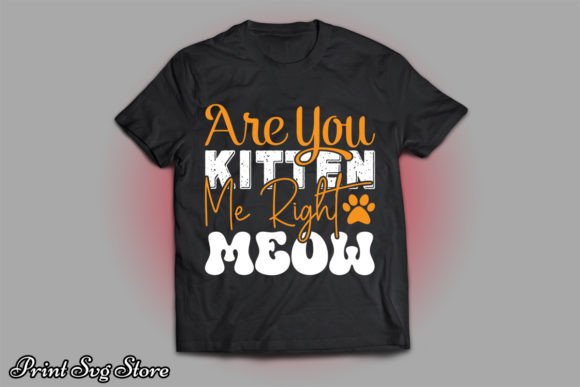
Are You Kitten Meow Cat T-Shirt Design
A Playful Phrase That Needs Careful Stitching
First glance at the Are You Kitten Meow Cat T-Shirt Design delivers instant charm — a lighthearted, pun-driven typographic layout with feline flair. As someone who’s stitched hundreds of text-based embroidery files for boutiques, Etsy sellers, and custom gift shops, I immediately noticed its personality: friendly, cheeky, and undeniably cat-obsessed. But personality alone doesn’t guarantee stitchability. So when I pulled this design into my workflow to prep a batch of embroidered canvas tote bags for a local pet-themed pop-up shop, I treated it like any other commercial embroidery file — not as a cute graphic, but as a functional machine embroidery design that must hold up under real-world conditions.
Where This Design Shines (and Where It Hesitates)
The Are You Kitten Meow Cat T-Shirt Design works beautifully on medium-weight cotton tees, structured canvas totes, and relaxed-fit sweatshirts — especially when placed front-and-center or centered on a pocket. Its clean letterforms and intentional spacing give it strong legibility at 3–4 inches wide, making it ideal for custom apparel, embroidered patches, and even nursery decor like pillow covers or tea towels. I tested it on a lightweight organic cotton baby onesie using a light tear-away stabilizer, and while the phrase read clearly, the “Meow” tail curl needed slight digitizing adjustment to avoid thread nesting — a quick fix, but one worth noting if you’re stitching for delicate baby embroidery.
It’s less forgiving on curved surfaces like caps or beanies. The horizontal stretch of the phrase fights natural fabric drape, and without careful hooping and underlay, the outer letters can distort. On textured fabrics — think terry cloth towels or looped fleece sweatshirts — the satin-stitch outlines softened too much, blurring the crispness of the typography. And on dark fabric? That’s where the included high-res PNG becomes invaluable: I used it to preview contrast before stitching, confirming that light-thread versions (ivory, mint, pale yellow) retained readability without sacrificing warmth.
What Real Projects Reveal About Its Practicality
Last month, I used the Are You Kitten Meow Cat T-Shirt Design to create personalized holiday gifts — embroidered kitchen towels for cat-loving friends and matching aprons for a small-batch baking studio. The SVG and EPS files scaled cleanly in my vector software, and the AI file let me tweak kerning for tighter hoop placement. Because it’s 100% editable and color-changeable, I swapped the default black outline for a soft gray on ivory towels, then went bold with navy thread on cream canvas bags. That flexibility matters — whether you’re an Etsy seller listing five variations or a craft fair vendor offering live personalization.
But here’s what the product description doesn’t say: this isn’t an applique design. There are no built-in fabric layers or raw-edge finishes — it’s pure typography, relying on fill stitch and satin stitch for definition. So if you’re planning embroidered patches or iron-ons, confirm your embroidery software handles smooth curve rendering at small sizes. At under 2.5 inches wide, the lowercase “o” in “Kitten” and the dot over the “i” risk becoming indistinct without sufficient stitch density and proper stabilizer choice.
Design Integrity Meets Customer Trust
Your buyers don’t see vector paths or stitch counts — they see the finished product. A well-executed Are You Kitten Meow Cat T-Shirt Design signals attention to detail: balanced spacing, consistent line weight, and confident letterforms. That builds trust, especially for handmade products sold online. I’ve seen customers return items where text-based embroidery looked “off” — slightly crooked, overly dense, or washed out after one cycle. With this design, clarity starts with prep: test on scrap fabric first, use appropriate cut-away stabilizer for knits, and always check how the phrase reads in grayscale mockups — not just full-color previews.
For small shop owners and digital product sellers, the range of file types (SVG, DXF, EPS, AI, PNG) means seamless integration into both embroidery machines and design platforms. You can drop the SVG into Canva for printable mockups, use the DXF for CNC-cut vinyl transfers, or import the AI file directly into Wilcom or Pulse for professional digitizing tweaks. Just remember: editable doesn’t mean auto-optimized. Always inspect corners, verify thread color contrast against your base fabric, and confirm licensing terms before listing finished embroidered goods or reselling the digital embroidery file.
Smart Workflow Tips From the Hoop
- Test before committing: Run a sample on the exact fabric + stabilizer combo you’ll use — especially for stretchy or thin materials like jersey or baby rib knit.
- Check density and underlay: Dense fill areas (like thick letter strokes) may require reduced stitch count or added underlay on unstable fabrics.
- Hoop size matters: The full phrase needs at least a 4×4 hoop; for smaller items like toddler caps or wristbands, isolate “Meow” or “Kitten” as standalone elements.
- Dark fabric strategy: Use a white or light-toned underlay layer beneath dark threads to prevent shadow bleed-through.
- Licensing clarity: Since this is marketed as a Graphics file in the T-Shirt Designs category, verify usage rights before selling physical embroidered products or bundling it into digital design assets.
Final Thought: Charm With Craftsmanship
The Are You Kitten Meow Cat T-Shirt Design isn’t just another cat pun — it’s a versatile, commercially viable embroidery file that bridges humor and craftsmanship. Used thoughtfully, it elevates custom apparel, adds warmth to handmade gifts, and supports small creative businesses looking for expressive, on-trend design assets. But like any good embroidery project, its success depends less on the file itself and more on how intentionally you bring it to life: choosing the right stabilizer, testing contrast, respecting fabric behavior, and honoring the balance between playfulness and precision. When those things align? That’s when “Are you kitten meow?” becomes a conversation starter — not just on fabric, but with every customer who sees it.